Protecting Your Concrete & Paving Through Winter
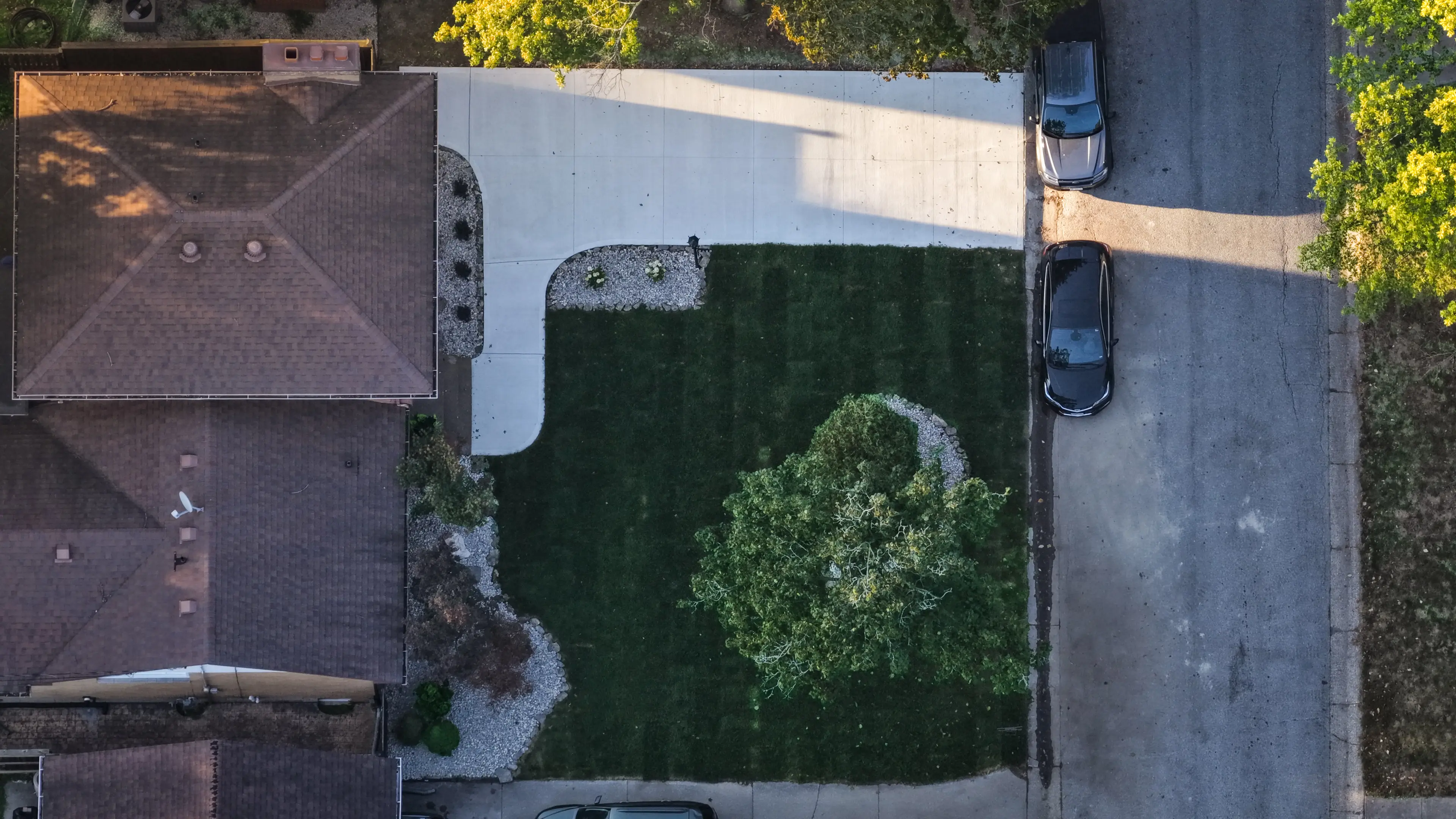
Ontario winters can be brutal on concrete and paving surfaces. Freeze-thaw cycles, de-icing salts, and heavy snow can cause significant damage if proper precautions aren't taken. Here's how to protect your investment.
Pre-Winter Preparation
Before winter arrives, seal your concrete surfaces with a quality sealant. Clean and repair any cracks or damage, as water infiltration during freeze-thaw cycles can cause significant expansion and cracking. Ensure proper drainage to prevent water pooling on surfaces.
Safe De-Icing Practices
Not all de-icing products are safe for concrete. Avoid rock salt when possible, as it can cause surface scaling and deterioration. Use calcium magnesium acetate (CMA) or sand for traction. Apply de-icers sparingly and remove residue promptly in spring.
Snow Removal Best Practices
Use plastic shovels or snow blowers with rubber-edged blades to prevent surface damage. Avoid metal shovels that can chip and gouge concrete. Remove snow promptly to prevent repeated freeze-thaw cycles. Never pile snow on concrete surfaces where it will melt and refreeze.
Crack Prevention and Repair
Small cracks can quickly become major problems in winter. Repair cracks before temperatures drop using flexible concrete repair compounds. Install control joints to manage natural concrete expansion and contraction. Monitor surfaces throughout winter for new damage.
Spring Assessment
Once winter ends, thoroughly clean all concrete surfaces to remove salt residue and debris. Inspect for winter damage including cracks, spalling, and scaling. Schedule repairs promptly to prevent further deterioration. Consider resealing surfaces damaged during winter.
Need Concrete Repairs?
Let us assess and repair your concrete surfaces before winter arrives.
Get Assessment